Speculative Fiction Vs. Science Fiction: Is There a Difference?

Science Fiction Touches Reality
While science fiction is an identifiable genre class of fiction, speculative fiction is not. The reason for that is because speculative fiction is an umbrella classification and not necessarily a genre (in the traditional sense). There are similarities, for sure. And the reason for that is because science fiction is a genre under the umbrella classification of speculative fiction.
Science fiction will often involve elements about space, space travel, wormholes, or other technical elements that we don’t possess at the time the fiction novel is published. On the other hand, this could also be called speculative fiction because it deals with something outside our present reality. But there are other elements that could be considered speculative fiction that don’t necessarily deal with space technology. This could be fantasy, supernatural, magic, or superheroes. For example, you would most likely see Star Trek under the genre of Science Fiction whereas Lord of the Rings would be found under Fantasy. So, a novel that is science fiction would also be classified as speculative fiction, but a novel that is classified as speculative fiction does not necessarily mean it is about science fiction.
What about Christian fiction? Where does it fit? A general classification for Christian fiction would be speculative fiction because it deals with supernatural elements (e.g., God, angels, demons, etc.). While real, they are still considered other worldly to many, or at least non-human, so this genre of writing is typically grouped with other supernatural elements that are not based in reality (e.g., vampires, magical creatures like unicorns, and fairies). Yet, Christian fiction could also include Amish romance, romance in general, historical fiction, or even other typical genres. Christian fiction can become somewhat confusing to categorize as the novel could have multiple elements within the same novel. It is likely the overarching theme is what would get a specific Christian fiction novel a genre category.
All my books, for example, would be considered Christian fiction and under the umbrella of speculative fiction because they deal with religious and/or supernatural phenomena. Yet, several of my series would fall into subgenre categories that are more typically identified as genres readily recognized. Below are some examples:
The Coded Message Trilogy would be categorized under Dystopian Mystery (an identified subgenre of speculative fiction) because it deals with our world being manipulated by an elite class of people for nefarious purposes. It has a science fiction vibe to it as the main character is preparing for a Mars mission, but the overarching theme is the dystopian aspect of the novel.

The Coded Message Trilogy written by author Randy C. Dockens
Stele Prophecy Pentalogy would be classified as Fantasy or Biblical Fantasy because of the supernatural elements within the series, even though the premise is based upon the Bible which many agree is grounded in truth. Yet the stories themselves are not in the Bible. So, this shows that something labelled as Fantasy does not necessarily mean it is not grounded in truth. It means it has supernatural elements composing most of the narrative. This series has science fiction elements, e.g., teleporters, but that would not elevate it to that genre as the supernatural element is more prominent causing this series to receive a genre classification of Fantasy.
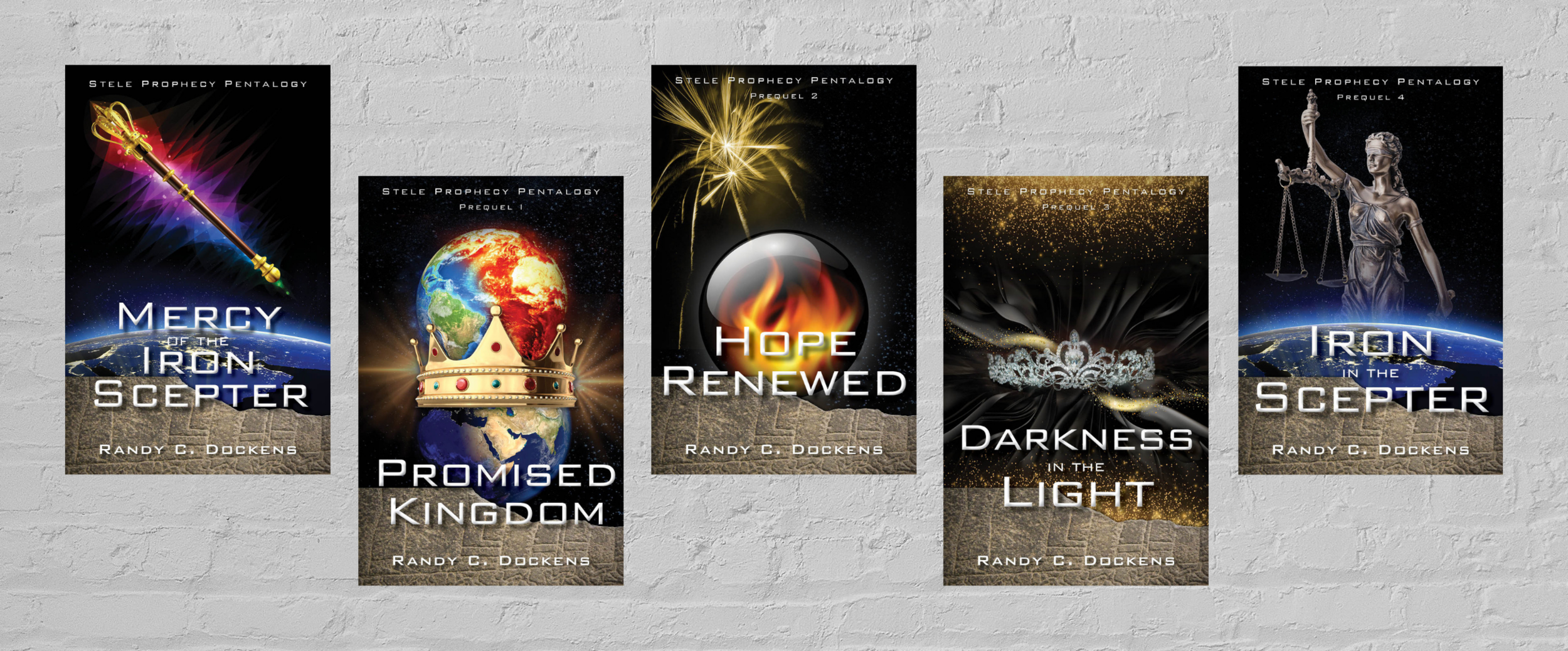
Stele Prophecy Pentalogy written by author Randy C. Dockens
Erabon Prophecy Trilogy would be classified as Science Fiction as this series is about an astronaut thrown into the far reaches of outer space where he meets aliens who look very different from himself.

Erabon Prophecy Trilogy written by author Randy C. Dockens
Adversary Chronicles would also be classified as Fantasy or Biblical Fantasy because some of the main characters are angels (e.g., archangels Mikael and Raphael, including Lucifer (who became Satan or Adversary because of his rebellion against God).

The Adversary Chronicles written by author Randy C. Dockens
Cities of Light Series would also be classified as Fantasy because of the spiritual nature of many of the cities within this series which experience the tangible feel of God’s Holy Spirit. The third book of this series would more appropriately be labeled Biblical Fantasy as it ties in well with the story that was presented in the second book of the Stele Prophecy Pentalogy: Promised Kingdom.

Cities of Light Series written by author Randy C. Dockens
Parallel Universe Saga would be classified as Science Fiction because of the futuristic technology that the characters implement to accomplish their travel to parallel Earths. Even the Artificial Intelligence (AI) utilized in these novels would be classified as science fiction because of the advanced nature of the AI presented. Who knows, it could become a reality in no time at the rate this technology is being utilized and employed today.
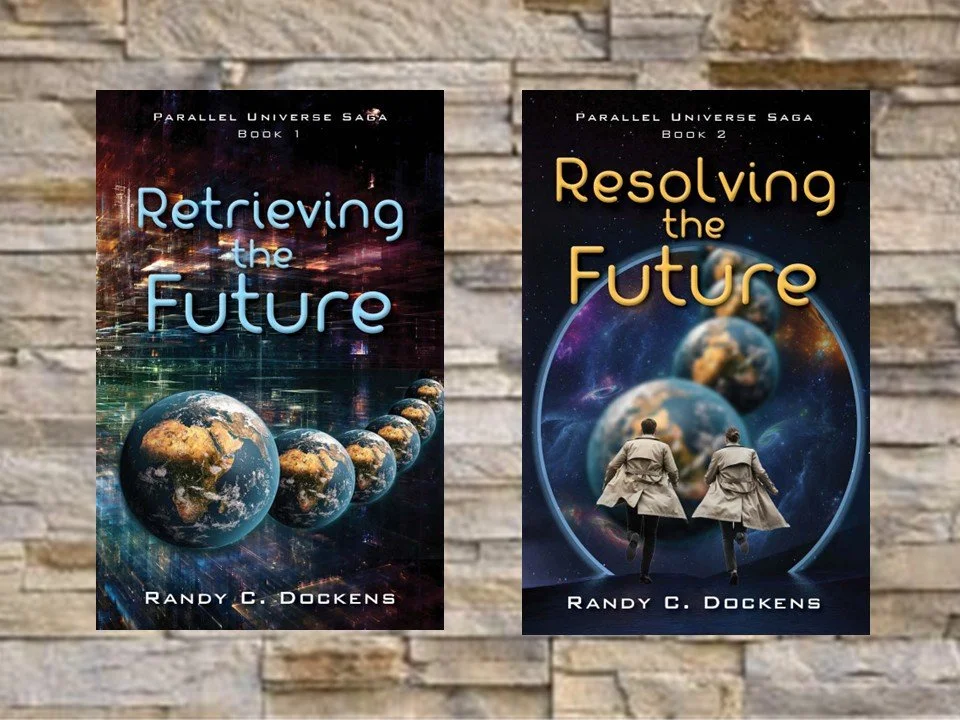
Parallel Universe Saga written by author Randy C. Dockens
So, at this point in time, while classifying something as speculative fiction may seem more appropriate than other recognized genres, most will not understand the term well enough due to its umbrella nature that groups many recognized genres under itself. So, if you want Christian fiction, you will still need to look under more recognized genres as it will not likely be called speculative fiction. So, don’t count out fantasy, or other genres, as that genre can have Christian fiction within its classification.
Knowing this makes it somewhat difficult for authors of Christian fiction to effectively communicate their work to their targeted audience because it has to be presented into a more typical genre category than the broader, and perhaps more accurate classification of speculative fiction. It seems it is just something that author and consumers of Christian fiction literature will have to grapple with for the foreseeable future. So, a word to the wise: if you find a book from an author you enjoyed, search for that author rather than just the genre classification of the book you just read. The theme of the author’s next book will likely be what you want to read, but just not defined in the genre category you may expect. Don’t just the book by its cover, judge the book by the author who wrote it.
Happy reading!