A Better Understanding of God
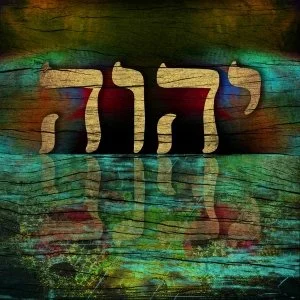
God’s Name Revealed to Moses
Often, when we think of God, we think of someone all powerful and one whom we should fear. While that is not entirely correct, that is not entirely wrong either. However, the Bible gives us multifaceted names and characteristics of God that we should understand because he then becomes our all sufficient One and One who can meet our every need.
Let’s first look at the names of God the Bible presents to us. This is not always clear in our English translations as being names, but the Hebrew text seems to make it much clearer that various names for God are revealed to us, not all at once, but over time so we can see how he can meet our every need because of who he is. Here are several, I can’t say these are exhaustive:
1. Elohim: God (Gn 1:1). This is a plural form of El, also meaning God, and is demonstrating his Trinity nature.
2. Yahweh (or Jehovah): the Self-Existent One (Gn 2:4; Ex 3:14-15). The Hebrew consonants Yahweh and Jehovah of the two are the same (יהוה) with only vowel differences. Since the original Hebrew did not have vowels in its text, either pronunciation is possible. In our English Bibles today, we can know this term for God is being used because the word LORD is placed in all caps. The text in Genesis 2:4 uses the Hebrew word for Yahweh, but it is not spoken until Exodus chapter 3 when God presented himself to Moses saying, I AM WHO I AM, meaning he is self-existent, and in the next verse interprets this to be the meaning of his name Yahweh (or Jehovah).
3. El Elyon: God Most High (Gn 14:18). In this passage, Melchizedek is presented as the priest of God Most High; that is, meaning he is the God above all gods.
4. ElRoi: TheGodwhoSees Me (Gn 16:13). This is the name Hagar gives God as he took care of her needs after Sarah sent her away. This shows that God sees us and values us even if others do not.
5. El Shaddai: God Almighty, the All Sufficient One (Gn 17:1). This name of God is first presented to Abraham when God made his covenant with him. It means he can make a way when there is no way. God brought Abraham a child through him and Sarah even when they were both in their nineties.
6. Adoni: Lord (Gn 15:2). Here, the word Lord is not in all caps but the first letter is capitalized. Abraham here calls God, Adoni Yahweh. In our English texts, it reads Lord God or Sovereign LORD and refers to God’s absolute rulership, meaning he has all authority, ownership, and mastery. He is recognizing that God is in control even when it seems, and feels, he is not.
7. El Olam: The Everlasting God (Gn 21:33). God established peace between Abraham and Abimelech with whom he had a dispute over wells of water that had been dug. Both Abimelech and Abraham made an oath to each other that the well would be Abraham’s because Abraham’s people had dug the well. Abraham planted a tamarisk tree there which would stand as a testimony to the peace that had been established. Just as the tree would last long after he and Abimelech were gone to bear witness to the oath that had been made, the Lord as Yahweh the Everlasting God would bear witness even longer than the tree itself could do.
8. JehovahJireh: The LORDourProvider (Gn 22:14). Abraham called God this name because he provided the ram as a substitute sacrifice for his son, Isaac. God sees our need before we do and makes the necessary provisions.
9. El Elohe Yisrael: God, the God of Israel (Gn 33:20). When Jacob returned from the home of his uncle Laban and has a peaceful encounter with his brother Esau, he purchased Shechem and made an altar where he declared that God was his God (as his name had been changed from Jacob to Israel). This demonstrates that his heart was changed during his wrestle with the Lord, and he was now proclaiming his devotion to him.
10. El: God (Ex 15:2). While this name can be used for any god, when used to express God, it is made personal by stating that “the LORD is my God.”
11. Yah: LORD (Ex 15:2). A shortened form of Yahweh and is expressed as the LORD.
12. JehovahRapha: TheLORDWho Heals (Ex 15:26). God tells Israel that if they obey him, they will not have any of the diseases that befell the Egyptians. This is a declaration from God himself that he is our healer.
13. JehovahNissi: TheLORDMyBanner (Ex 17:15). This was a name Moses called God when he saved Israel from the attack of the Amalekites near Sinai when God provided the Israelites water. A banner is a visible symbol of identity, unity, and leadership. This expression means that it is God who is being served.
14. Jehovah Mekoddishkem: The LORD Who Sanctifies (Ex 31:13). God is reminding Israel to keep his Sabbath holy, but holiness is not something achieved on their own, but he is the one who sets them apart unto himself.
15. Jehovah Kanna: The LORD is Jealous (Ex 34:14). God has told the Israelites not to follow any of the idolatrous teachings of those they will encounter in the Promised Land he is giving them because he is a jealous God. This means that he wants the very best for those he loves. Only he can satisfy their every need.
16. Adoni Kal Ha’aretes: The Lord of all the Earth (Js 3:13). As the Israelites crossed the Jordan River into Canaan, they are reminded that their God is the God of all the earth and as such can give this land to them.
17. JehovahShalom: TheLORDisPeace (Jd 6:24). When the Lord appeared to Gideon stating he had been chosen to lead his people against the Midianites, he built an altar and declared the Lord is Peace. He gives calm amid our storms of life.
18. Jehovah Sabaoth: The LORD of Hosts (1Sa 1:3). This passage emphasizes that the LORD is God over all armies, both earthly and heavenly.
19. Jehovah Rohi (or Ra’ah): The LORD is My Shepherd (Ps 23:1). David declared this of God as he saw the comparison of himself as a shepherd to take care of the needs of his sheep and God taking care of his needs as well.
20. Jehovah Ori: The LORD My Light (Ps 27:1). David is declaring this name of God showing how he does not need to fear.
21. Jehovah Tsuri: The LORD My Rock (Ps 28:1). God is steadfast and One in whom we can depend.
22. Jehovah Uzzi: The LORD my Strength (Ps 28:7). God can be counted on for our aid.
23. Jehovah Ezer Magen: The LORD my Help and Shield (Ps 33:20). This shows how personable and involved God is in our lives.
24. El Mosha’ah: The God Who Saves (Ps 68:20). God delivers us from the curse of death.
25. Immanuel: God With Us (Is 7:14). This speaks of the birth of the Messiah, Jesus Christ, through the virgin Mary, and also speaks of his return when he will rule the Earth and dwell with us forever.
26. Jehovah Bara: The LORD the Creator (Is 40:28). Isaiah is giving several traits of God, including that he is the Creator who made everything and never gets weary.
27. Jehovah Go’el: The LORD Your Redeemer (Is 49:26). He becomes our kinsman redeemer.
28. Elohim Emeth: The God of Truth (Is 65:16). God is truth and in him is no deception at all. Since this is plural, it means that all three persons of the Godhead have truth as a core characteristic.
29. Jehovah Tsidkenu: The LORD Our Righteousness (Jr 23:6). Jeremiah speaks of a future day when the Messiah will reign and bring righteousness to the land and be praised for bringing all of Israel and Judah back together from the four corners of the world. This speaks to how the Lord is the one who brings us righteousness and not because of our own merit, but because of who he is.
30. Jehovah Shammah: The LORD Is There (Ek 48:35). When the Messiah comes and rules the Earth from Jerusalem, the city will be known as the place where the Lord’s presence dwells. This shows that God is a God who will forever be with us.
These names of God give us a good idea of who our God is and how he relates to us. From looking at these, we can surmise that our God is all sufficient and can meet all our needs: physical, emotional, and spiritual. While we can’t achieve these things on our own, we can through him and by him. Yet, there are other Hebrew words that speak of God’s character beyond what his names indicate. There are three key scriptural concepts that I want us to look at. These are Hebrew words that we need to better understand. These are khesed (חֶסֶד), emeth (אֱמֶת), and yada (יָדַע).
Khesed and emeth are innate traits of God himself, and yada speaks to God’s relational character. Sometimes words get lost in translation. What do I mean by that? Taking a foreign word and replacing it with an English word can cause a loss, distortion, or weakening of the meaning of the original word. While the English word can be a good translation of the foreign word, there are nuances of meaning that can be lost or give the wrong impression of the actual meaning. In other words, there are sometimes no direct one-to-one word translation that can convey the true meaning of a word in another language. This is true for these three words as well. Yet, they are worth exploring and seeing what we can glean from them as they will give us better insight into who God is, why he is the way he is, and how he relates to us, or wants to relate to us—if we let him.
I hope you join me next time as we begin to dive deeper into the meaning of these three Hebrew words and discover what they tell us about who our God is and how he relates to us.
____________
Visit Books & Words to Inspire by Randy C. Dockens